#Історії_відомих
Хто не мріяв про Марш Мендельсона? А хто не мріяв, або ще чи вже не мріє, тому теж не зайве буде дізнатись цікаву й незвичну історію музики, яка супроводжує одну з найважливіших подій у нашому житті – весілля.
Почнемо з того, хто ж такий сам автор – Фелікс Мендельсон?
Якоб Людвіг Фелікс Мендельсон народився 3 лютого 1809 року в німецькому Гамбурзі, в заможній єврейській сім’ї банкіра Абрагама Мендельсона. Його дід Мозес Мендельсон був відомим філософом. Мама Лія грала на клавесині і тому звернула увагу, що її маленький син демонструє неймовірні успіхи в музиці. У підлітковому віці його порівнювали з Моцартом, але батькові інакше бачилась його долю, тож він довго впирався, перш ніж відпустити його в музичне плавання. Але відпустив.
Далі родина переїхала до Берліна і 17-річний юнак, надихнувшись творчістю Шекспіра, пише 12-хвилинну увертюру до шекспірівської комедії «Сон літньої ночі». Написав та й забув. І згадав про це аж через 15 років, та дописав до тієї увертюри ще десять частин, при цьому «Весільний марш» став сьомою. (До речі, наступною, восьмою, у нього став «Похоронний марш»).
Презентація Весільного маршу відбулась у жовтні 1843 року за участі короля Фрідріха Вільгельма IV. Він настільки був вражений цим твором, що дав кошти композиторові на заснування Лейпцизької консерваторії (вона, до речі, й зараз носить ім’я Мендельсона).



Далі цей марш знову супроводжували королі, але вже інші: його було зіграно 25 січня 1858 року під час одруження принцеси Вікторії – старшої доньки королеви Великобританії та прусського кронпринца Фрідріха ІІІ. І з того часу марш розпочав свою переможну ходу весіллями як вельмож, так і простих людей.

Але, що найцікавіше, композитор не творив цю музику як урочисту, навпаки, як гротескну. Щоб це зрозуміти, варто відкрити «Сон літньої ночі» і згадати закручений сюжет цього популярного шекспірівського твору. А саме – сцену, де цариця ельфів Титанія під впливом чарівного зілля безтямно закохується в першого зустрічного – ткача, якому пустун ельф напередодні примайстрував голову віслюка. Тобто Мендельсон підкреслив весь комізм цієї ситуації своїм надмірно пафосним, помпезним маршем.
Але, як кажуть, його не почули, і марш почав жити своїм життям: став символом любові та вірності. І тепер ця музика чи не найчастіше звучить на планеті.
А що ж сам Мендельсон – супровідник мільйонів наречених – чи був він щасливий у шлюбі? Так. Народивши п’ятьох дітей, вони жили зі своєю дружиною Сесіль довго й щасливо. Аж поки за два роки до смерті уславлений композитор не закохався у відому шведську оперну співачку Йєнні Лінд. До неї, до речі, мав нерозділене кохання й відомий данський казкар Ганс Крістіан Андерсен. Після казкаря співачка й композиторові сказала «ні». І для Мендельсона це стало трагедією, внаслідок якої він пережив два інсульти і помер у віці 38 років, переживши всього на 3 роки великого Моцарта.
Але наприкінці життя, внаслідок цих любовних переживань, він створив геніальний Концерт для скрипки з оркестром мі мінор – шедевр світової музики, який затьмарив славу Маршу Мендельсона.
Але який не грають так часто і так добре не знають. А грають і слухають Марш Мендельсона.

Ось така неочікувана історія відомого Весільного маршу. Згадайте її, коли почуєте його урочисті звуки. Вона про багатовимірність життєвих людських історій.
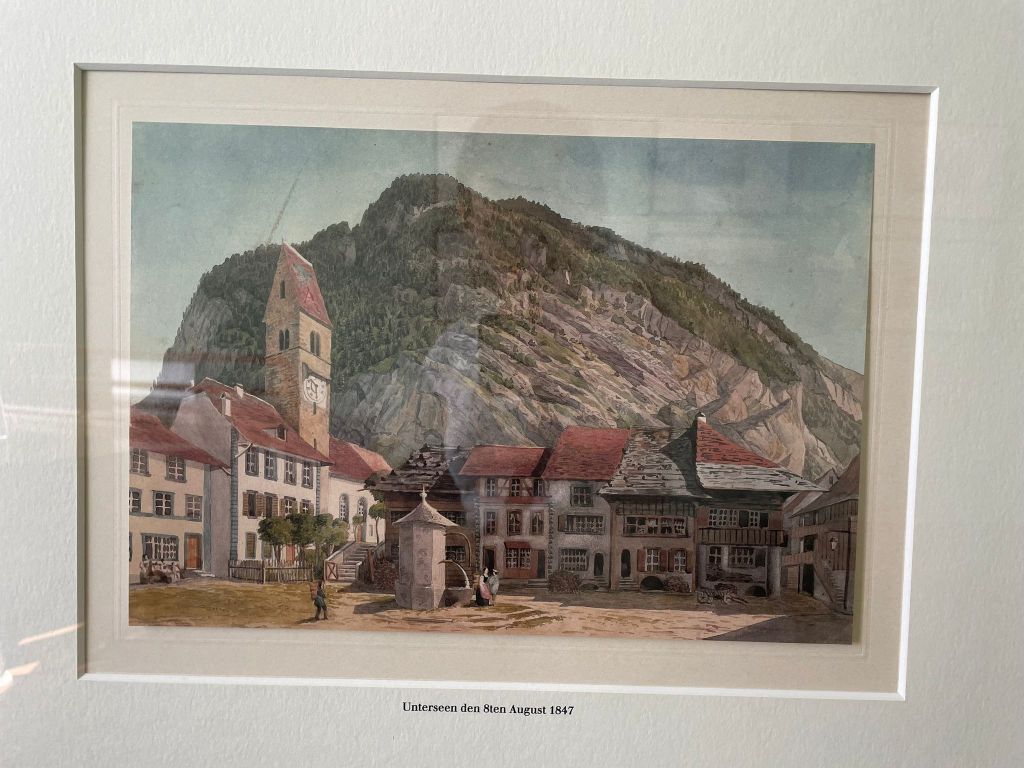
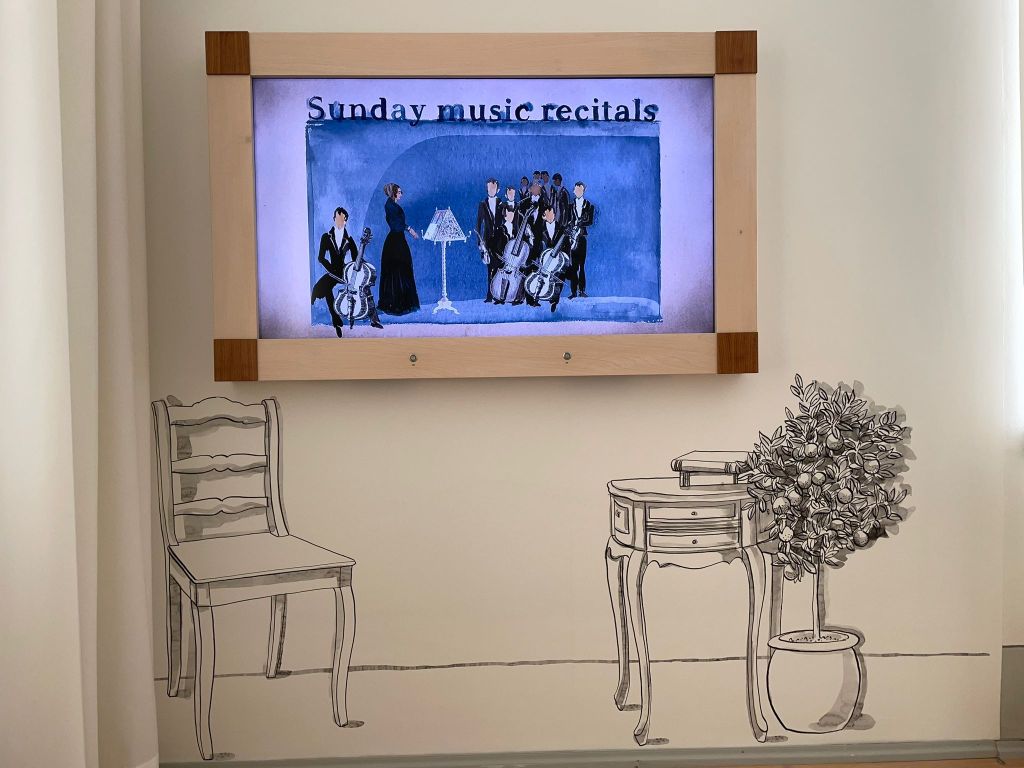
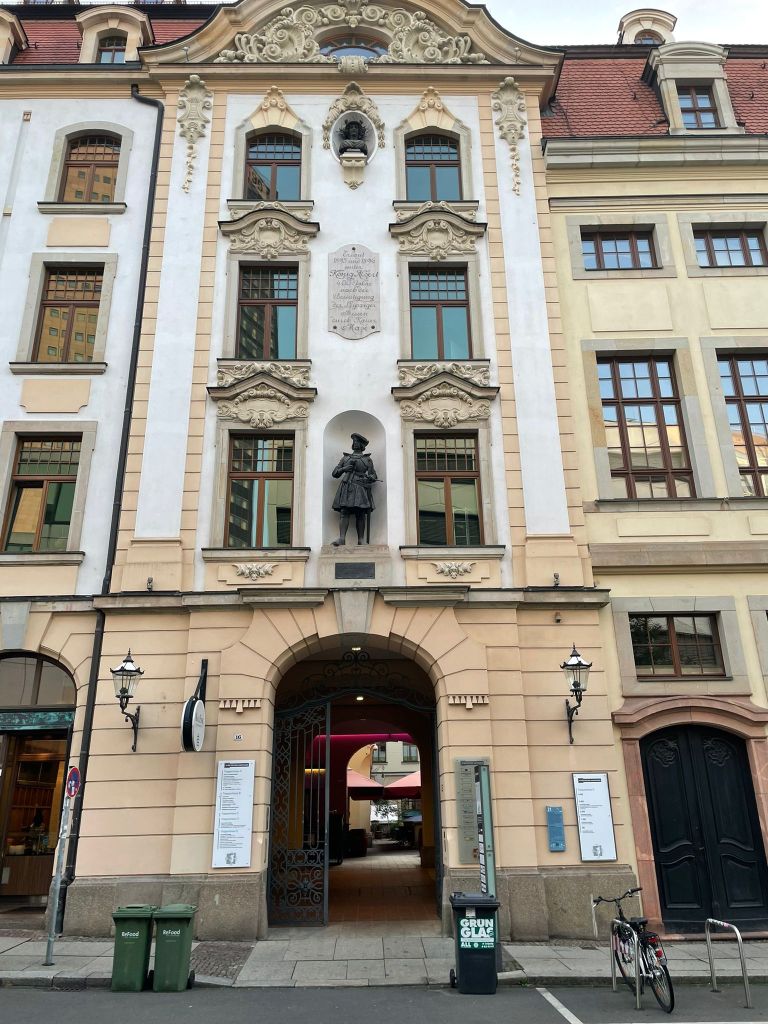
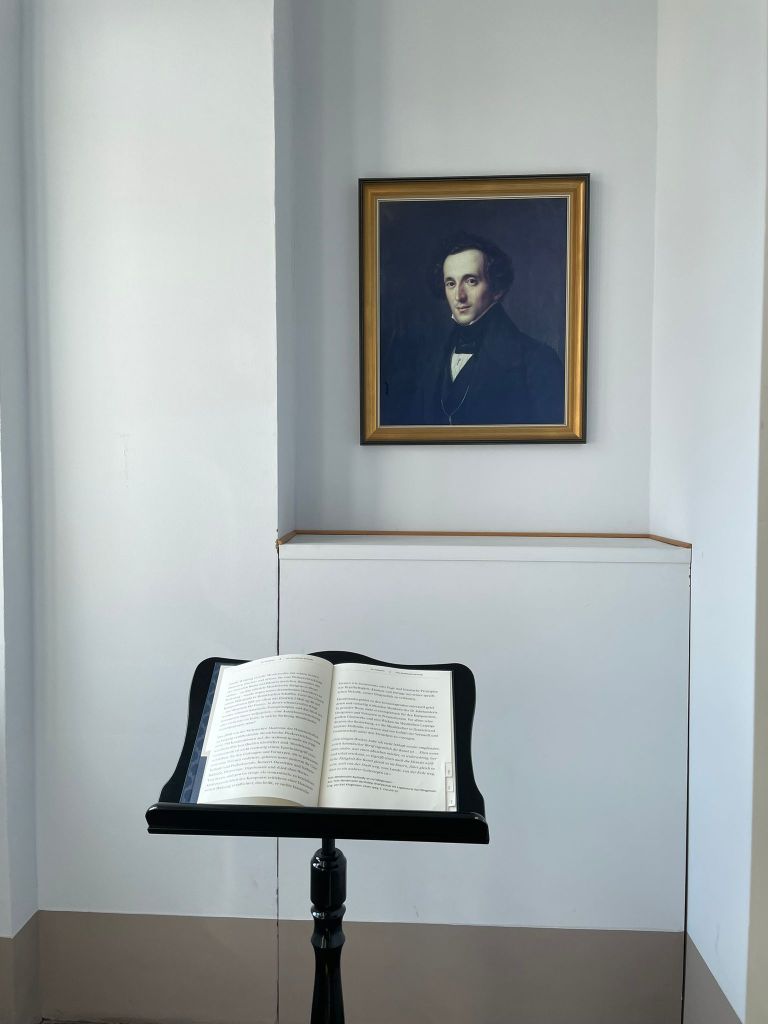
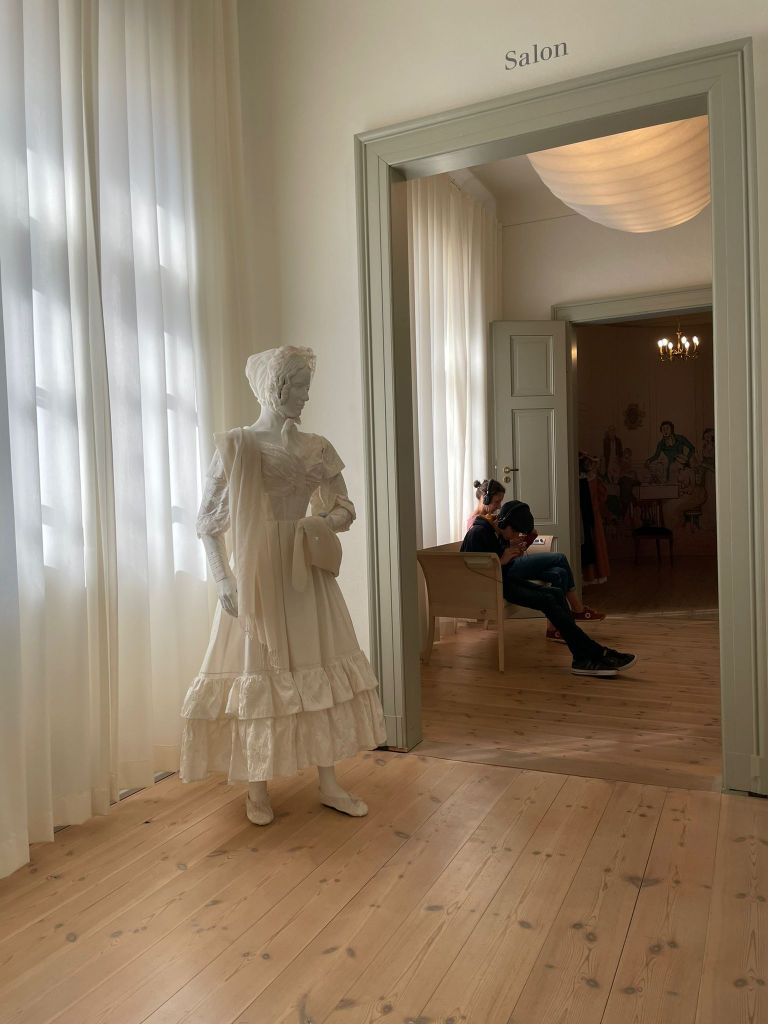
(Фото з Будинку-музею Фелікса Мендельсона у Лейпцигу Ярослави Куцай. До речі, талановитий композитор був ще й талановитим художником).
Авторка Тетяна Пивовар
А згадати марш Мендельсона, який звучав на вашому весіллі, або ж помріяти про нього можна, купуючи філіжанку запашної кави творцям цієї історії ось за цим посиланням:
Story in English:
The Unexpected Story of Mendelssohn’s Wedding March
Who hasn’t dreamed of Mendelssohn’s Wedding March? And even if you haven’t, or no longer do, it’s still worth discovering the fascinating and unusual story of the music that accompanies one of the most important events in our lives – a wedding.
Let’s start with the author himself – who was Felix Mendelssohn?
Jakob Ludwig Felix Mendelssohn was born on February 3, 1809, in Hamburg, Germany, into a wealthy Jewish family of banker Abraham Mendelssohn. His grandfather, Moses Mendelssohn, was a renowned philosopher. His mother, Lea, played the harpsichord, and she soon noticed that her young son was showing incredible talent in music. As a teenager, he was compared to Mozart, but his father envisioned a different future for him and resisted for a long time before finally letting him embark on his musical journey. But eventually, he did.
Then the family moved to Berlin, and the 17-year-old young man, inspired by the works of Shakespeare, wrote a 12-minute overture to Shakespeare’s comedy A Midsummer Night’s Dream. He wrote it and forgot about it. And he remembered it only after 15 years, and added ten more parts to that overture, with the Wedding March becoming the seventh. (By the way, the next one, the eighth, was his Funeral March).
The presentation of the Wedding March took place in October 1843 with the participation of King Frederick William IV. He was so impressed by this work that he gave the composer funds to establish the Leipzig Conservatory (which, by the way, still bears Mendelssohn’s name today).
Later, this march was once again accompanied by kings, but different ones: it was played on January 25, 1858, during the wedding of Princess Victoria – the eldest daughter of the Queen of the United Kingdom and the Prussian Crown Prince Frederick III. And from that time on, the march began its triumphant march through weddings of both nobles and ordinary people.
But, most interestingly, the composer did not create this music as solemn; on the contrary, it was grotesque. To understand this, it is worth opening A Midsummer Night’s Dream and recalling the twisted plot of this popular Shakespearean work. Namely – the scene where the queen of the elves, Titania, under the influence of a magical potion, falls madly in love with the first person she meets – a weaver, whose head the mischievous elf had transformed into that of a donkey the day before. That is, Mendelssohn emphasized all the comedy of this situation with his overly pompous, grandiose march.
But, as they say, no one heard him, and the march began to live its own life: it became a symbol of love and fidelity. And now, this music is played perhaps more often than any other on the planet.
And what about Mendelssohn himself – the accompanist of millions of brides – was he happy in marriage? Yes. After having five children, he and his wife Cecilie lived long and happily together. That is, until two years before his death, when the celebrated composer fell in love with the famous Swedish opera singer Jenny Lind. By the way, the renowned Danish storyteller Hans Christian Andersen had also had unrequited love for her. After Andersen, the singer said “no” to the composer as well. And for Mendelssohn, this became a tragedy, as he suffered two strokes and died at the age of 38, living only three years longer than the great Mozart.
But at the end of his life, as a result of these romantic experiences, he composed the brilliant Violin Concerto in E minor – a masterpiece of world music that overshadowed the fame of Mendelssohn’s March.
Yet, it is not performed as often and not as well known. Meanwhile, Mendelssohn’s March is played and listened to.
Here is such an unexpected story of the famous Wedding March. Remember it when you hear its ceremonial sounds. It is about the multidimensionality of human life stories.
(Photo by Yaroslava Kutsai at the Felix Mendelssohn House-Museum in Leipzig). (By the way, the talented composer was also a talented painter).
Author: Tetyana Pyvovar
And you can recall the Mendelssohn March that played at your wedding—or dream about it—by buying a cup of aromatic coffee for the creators of this story at this link:
 Справжні історії