English version is below
Важку цьогорічну зиму нелегко було переживати не лише людям, а й квітам. Квітам із оранжереї Національного ботанічного саду ім. М.Гришка. За розквітлими азаліями, на які зараз йдуть помилуватись кияни, стоять справжні історії стійкості цих вишуканих квітів та людської підтримки.
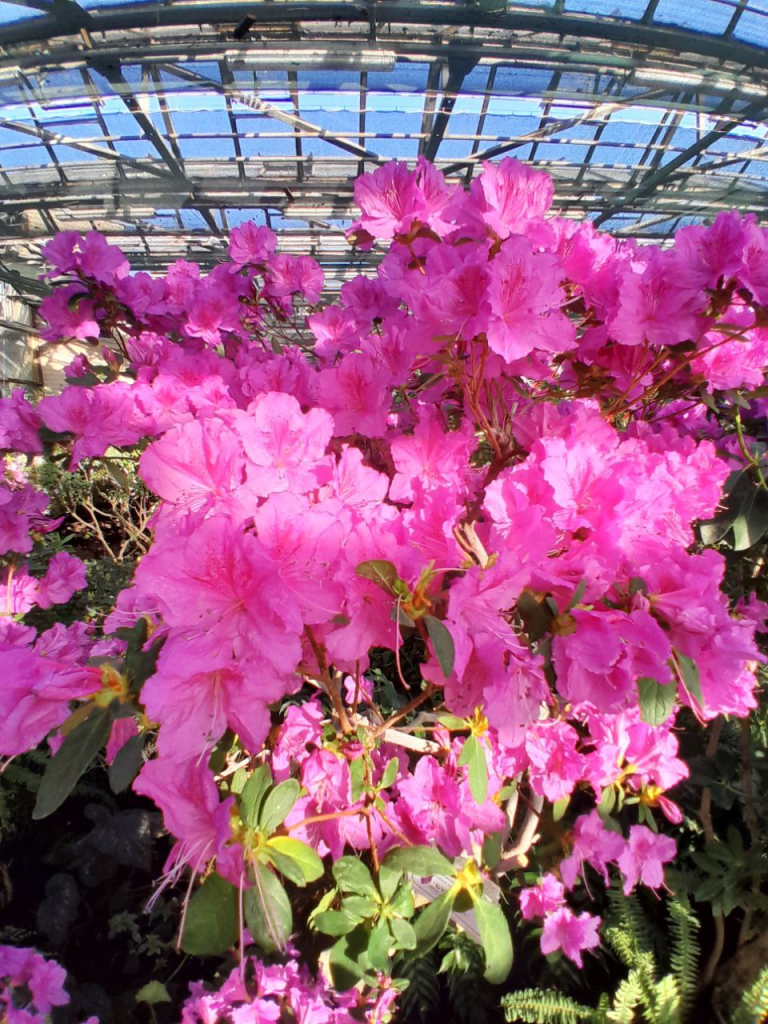
Азалія «Небесна сотня» або квітка незламного Києва
Ніжна і вишукана квітка сімейства рододендронів, яка походить зі сходу – Японія, Китай – завжди квітне на початку весни. Азалія символізує любов, жіночість, гармонію, а за принципами феншуй – джерело енергії творення. І це не випадково. Після зимового холоду з сумними сірими краєвидами, кожен, хто бачить це диво, відчуває неочікувану радість і навіть щастя. Під час пробудження природи навесні разом із чарівною квіткою завжди квітнуть наші надії й очікування.
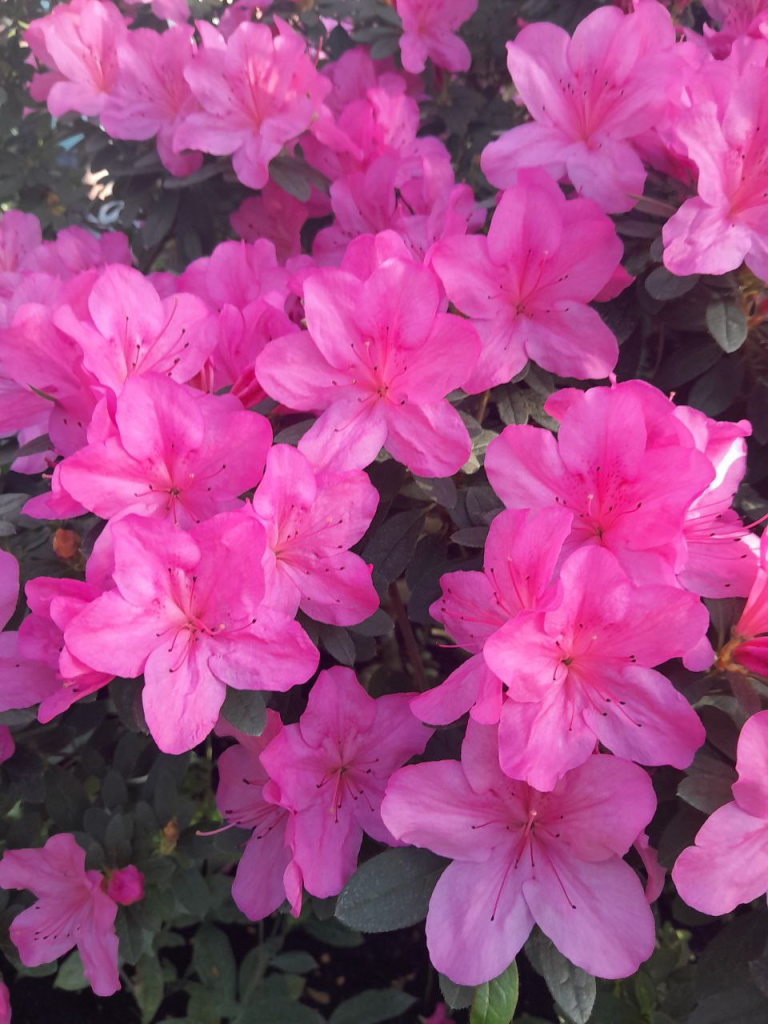
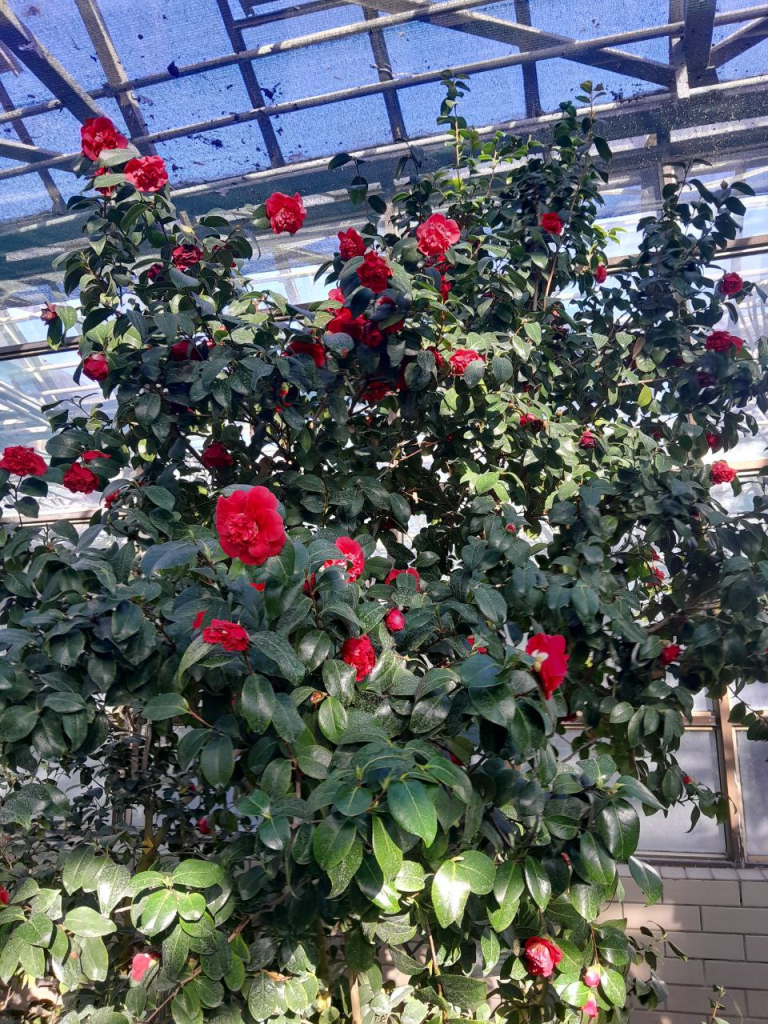
Кожен куточок світу, в якому азалія росте в дикій природі, має власні легенди й оповідки. Але цікаво, що в українському Поліссі ця квітка жовтого кольору також існує разом з легендою! Вона розповідає про азалію як символ вічної любові, що народилася з трагедії. Татарська дівчина Азалія втекла з полоненим Іваном на Полісся, але батько наздогнав їх. Після вбивства коханого стрілою, дівчина встромила шаблю собі в серце, а її кров, бризнувши на верес, перетворилася на дивовижні квіти. Проте сонце, яке вийшло на світанку, перетворило колір квітів на жовтий.
Дивовижна азалія має понад тисяч видів по всьому світові, а як окрема група вічнозелених чагарників, азалії мають велику кількість різновидів. Внаслідок 150-річної селекції існує понад 12 тисяч сортів та гібридів, найпопулярнішими з яких є японські (садові) та індійські (кімнатні). Лише в Національному ботанічному саду ім. Гришка понад 30 сортів азалії індійської, включаючи старі німецькі та бельгійські селекції 20-30-х років, а також близько 30 сортів і гібридів, створених за пів століття.
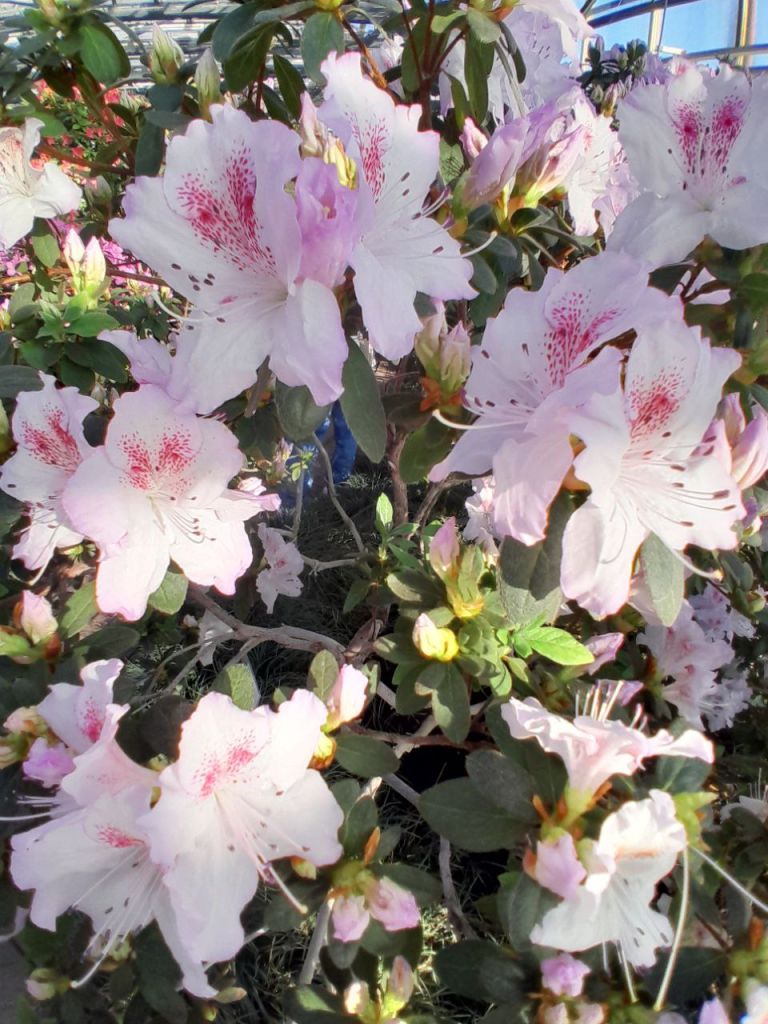
Щороку цвітіння азалії в оранжереї Національному ботанічного саду ім. М.Гришка припадає на прохолодний період – середину лютого і початок березня.
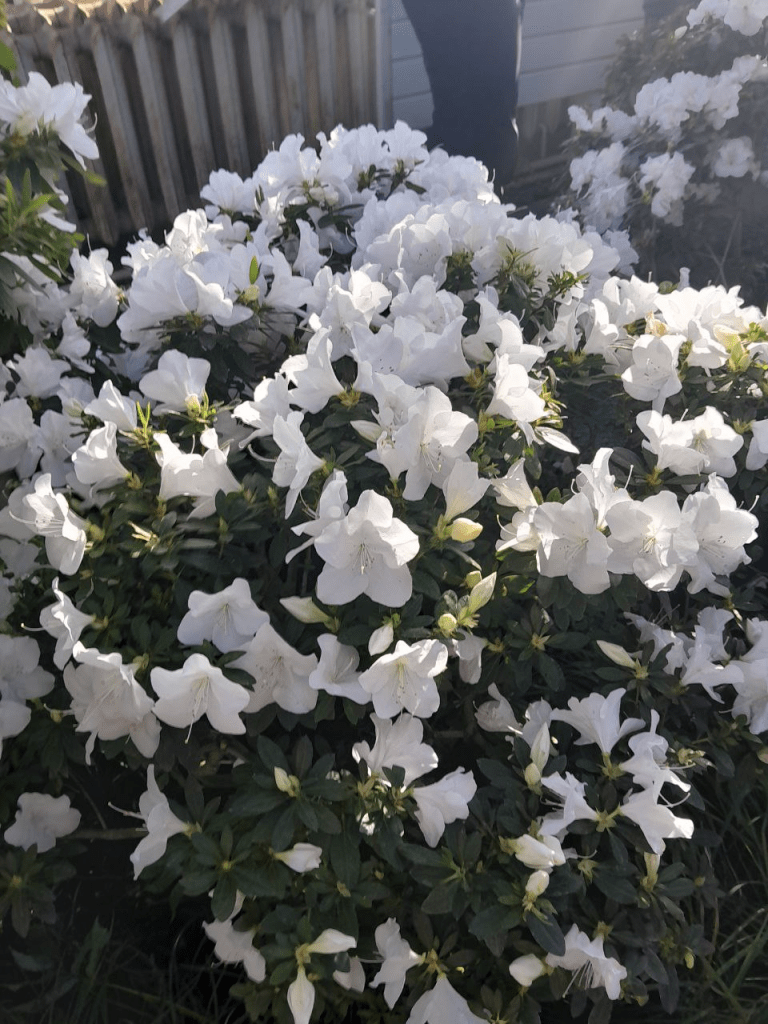
Але цього разу весняні квіти запізнились із цвітінням на три тижня. Через російські обстріли енергетичних об’єктів Києва та періодичне зникнення світла й опалення температура в оранжереях катастрофічно знижувалась, а рослини перебували у режимі виживання. Завод із виготовлення пелетів для котельні та їхній кількамісячний запас росіяни розбомбили ще на початку свого повномасштабного вторгнення. Тоді урятувалися від катастрофи старим методом – палили дрова у бочках. Цього року скористались тим самим методом. На допомогу прийшли сотні донорів з України й усього світу, які надсилали кошти, щоб закупити нову партію пелетів і привезти їх із заходу України.
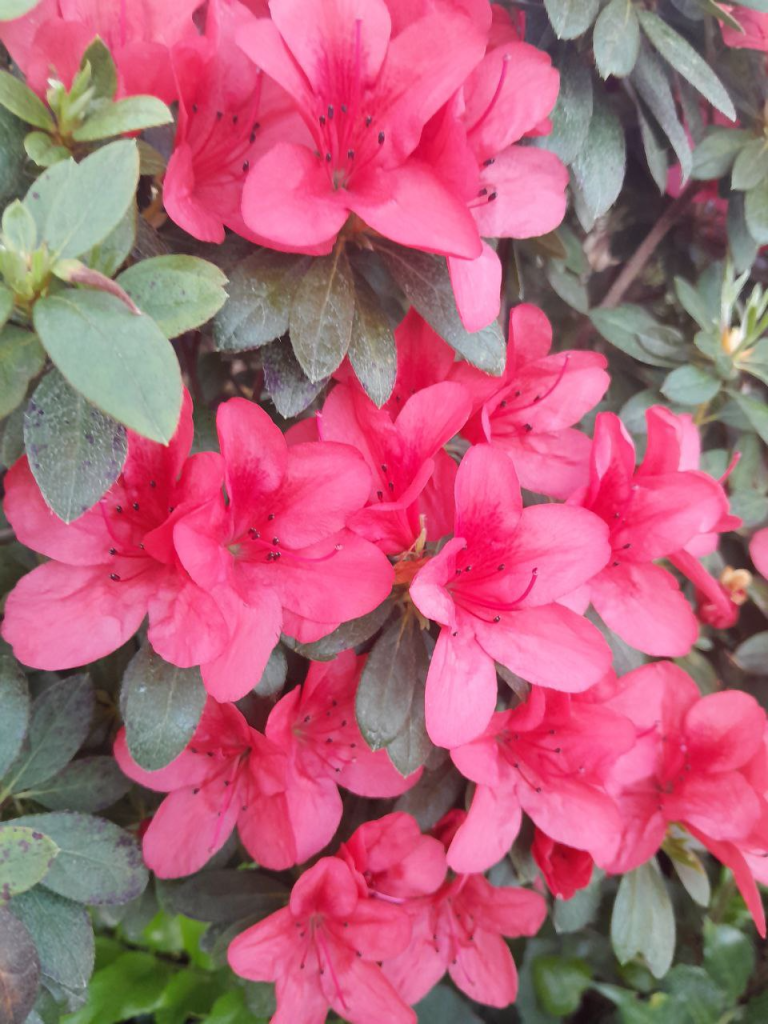
В приміщенні оранжереї панує якась дивна тиша і особливий вид толерантності відвідувачів віком від 5 до 80 років, які розмовляють пошепки. Дехто одягнутий в одяг для фотосесії, а головне – усмішки на кожному обличчі. Тиха радість від споглядання цвітіння азалій поєднала усіх. Різноманіття назв і кольорів вражають, але назви нових сортів, наприклад, такого, як «Небесна сотня», нагадують про минулі події. Звісно, назва «Гібрид № 20» не гармоніює, як на мене, з дивовижним святом цвітіння азалій.
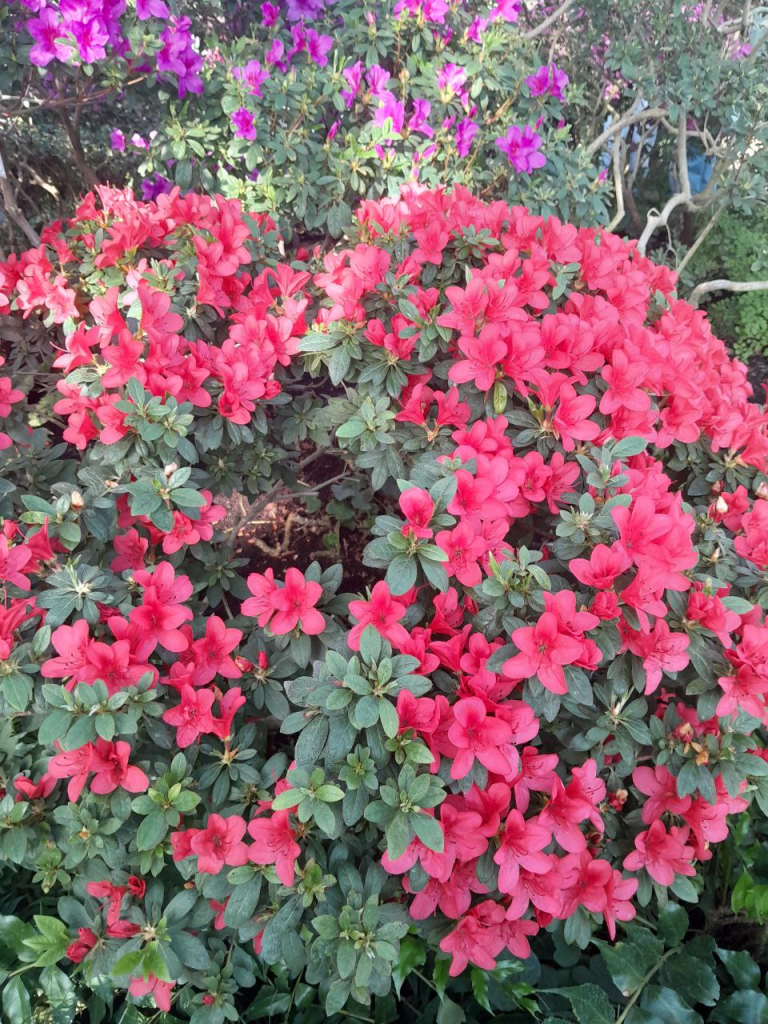
Для нас так важливо, що після енергетичного колапсу взимку, який торкнувся кожного, весна прийшла! І першим весняним символом незламності та відродження стала ця вишукана квітка – азалія.
Авторка тексту та фото Аліна Лісневська
#Азалія #БотанічнийСад #Київ #Весна #Квіти #Надія #Стійкість #Відродження #Природа #Флора #Рослини #КвітковийСад #Феншуй #ІсторіїПрироди #СправжніІсторії #КвітковіІсторії #ЗахопливіІсторії #історії
Article in English:
The Story of the Resilience of Delicate Azaleas in the Kyiv Botanical Garden
This year’s harsh winter was hard to endure not only for people but also for the plants—especially the flowers in the greenhouse of the M. Hryshko National Botanical Garden. Behind the blooming azaleas that Kyiv residents now come to admire lie true stories of the resilience of these exquisite flowers and the human care that supported them.
Azalea “Heavenly Hundred” – the Flower of Unbreakable Kyiv
A delicate and exquisite flower from the rhododendron family, originally from the East—Japan and China—this azalea always blooms at the beginning of spring. The azalea symbolizes love, femininity, and harmony, and according to Feng Shui principles, it is a source of creative energy. This is no coincidence. After the cold winter with its sad, gray landscapes, everyone who sees this wonder feels unexpected joy and even happiness. As nature awakens in spring, our hopes and expectations bloom along with this enchanting flower.
Every corner of the world where azaleas grow in the wild has its own legends and stories. Interestingly, in Ukrainian Polissia, this yellow-colored flower also exists alongside a legend! It tells of the azalea as a symbol of eternal love born from tragedy. A Tatar girl named Azaliya fled to Polissia with the captive Ivan, but her father caught up with them. After her beloved was killed by an arrow, the girl plunged a sword into her own heart, and her blood, splashing onto the heather, transformed into extraordinary flowers. The sun that rose at dawn, however, turned the flowers yellow.
This remarkable azalea has over a thousand species worldwide. As a distinct group of evergreen shrubs, azaleas include a large variety of types. Through 150 years of cultivation, there are now more than 12,000 varieties and hybrids, the most popular being Japanese (garden) and Indian (houseplant) azaleas. At the M. Hryshko National Botanical Garden alone, there are over 30 varieties of Indian azaleas, including old German and Belgian cultivars from the 1920s–1930s, as well as about 30 varieties and hybrids developed over the past half-century.
Every year, the azaleas in the greenhouse of the M. Hryshko National Botanical Garden bloom during the cool period—mid-February to early March.
But this year, the spring flowers were three weeks late in blooming. Due to Russian attacks on Kyiv’s energy infrastructure and the periodic loss of electricity and heating, the temperature in the greenhouses dropped catastrophically, and the plants went into survival mode. A pellet factory for the boiler system, along with its several-month supply, had been destroyed by the Russians at the beginning of their full-scale invasion. At that time, disaster was averted using an old method—burning firewood in barrels. This year, the same method was used again. Hundreds of donors from Ukraine and around the world came to help, sending funds to purchase a new batch of pellets and transport them from western Ukraine.
Inside the greenhouse, there is a certain quiet calm and a special sense of respect among visitors, ranging in age from 5 to 80, who speak in whispers. Some are dressed for photo sessions, but most importantly—smiles are on every face. The quiet joy of watching the azaleas bloom has brought everyone together. The variety of names and colors is striking, but the names of some new varieties, such as “Heavenly Hundred,” remind visitors of past events. Of course, in my opinion, a name like “Hybrid No. 20” does not quite harmonize with the amazing celebration of azalea blooms.
For us, it is so important that after the energy collapse in winter, which affected everyone, spring has finally arrived! And the first spring symbol of resilience and renewal is this exquisite flower—the azalea.
Text and photos by Alina Lisnevska
#Azalea #BotanicalGarden #Kyiv #Spring #Flowers #Hope #Resilience #Renewal #Nature #Flora #Plants #FlowerGarden #TrueStories #NatureStories
 Справжні історії