Італійський слід славетної Соломії Крушельницької
Автобус везе мене звивистими гірськими дорогами до Тоскани. Де, розсунувши зелені гардини лісів, час від часу з’являються колоритні віадуки – мости крізь гірські ущелини. І це трохи символічно, бо в планах – знайти такий міст, прокладений між українським та італійським берегом в житті неповторної Соломії Крушельницької.
У молодого італійця поряд на сидінні в месенджері самі жіночі імена з сердечками. Він набирає їх по черзі й однаковими фразами з дивовижним натхненням спілкується. Звичайна ситуація для Італії – країни любові, романтики, щасливих та іноді розбитих сердець.

В’яреджо
В’яреджо – невелике, але відоме курортне місто на березі Лігурійського моря. Тут щороку проводять карнавали ось уже як 150 разів. Перлина Тоскани, та й загалом Італії. Розміщене спереду італійського чобітка (мова про мапу країни) в районі коліна.
Історія ж Тоскани, де В’яреджо служить перлиною, глибока, як море. Пірнаючи в її глибини, найчастіше згадують етрусків, від яких, власне, й утворилась назва Тоскани. Походження етрусків і досі залишається загадкою для істориків. А етруська мова, якої вже нема, подарувала світові такі інтернаціоналізми, як «персона», «церемонія», «антена», «арена», «елемент» «літера», й цілком можливо, що «сцена».
Коли потрапляєш у В’яреджо, виникає відчуття: тут є ще щось більше, ніж ти бачиш.

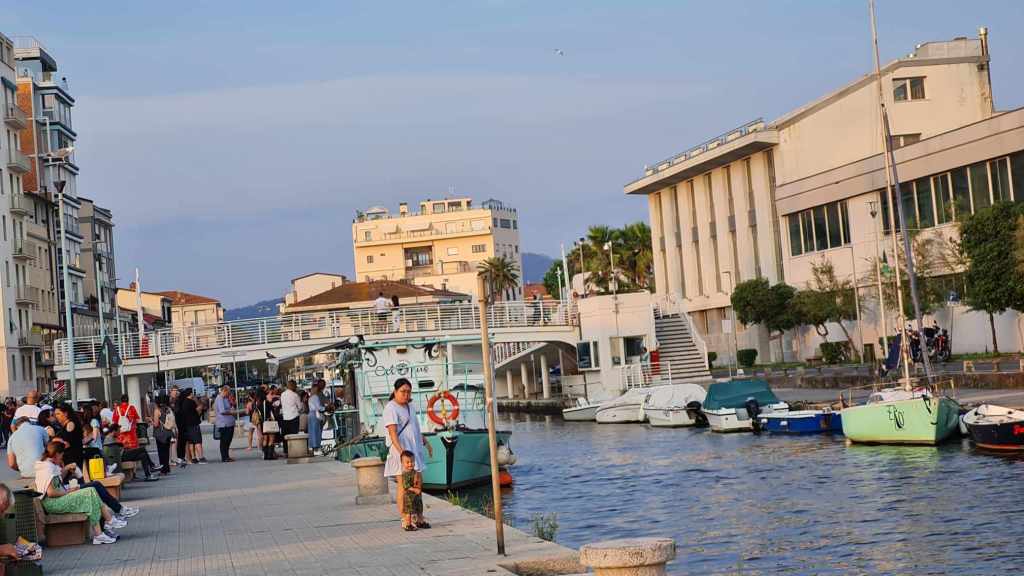
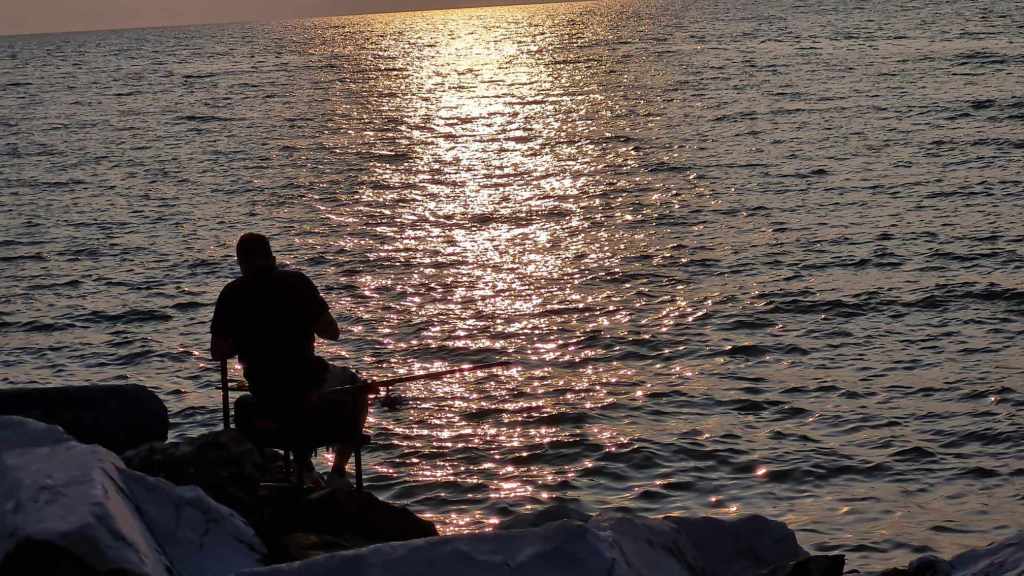
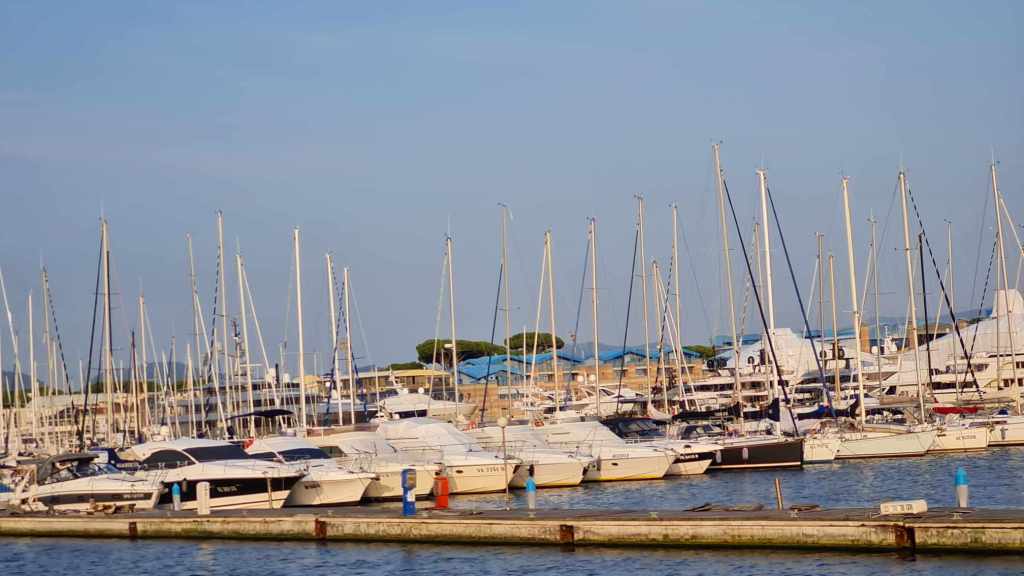

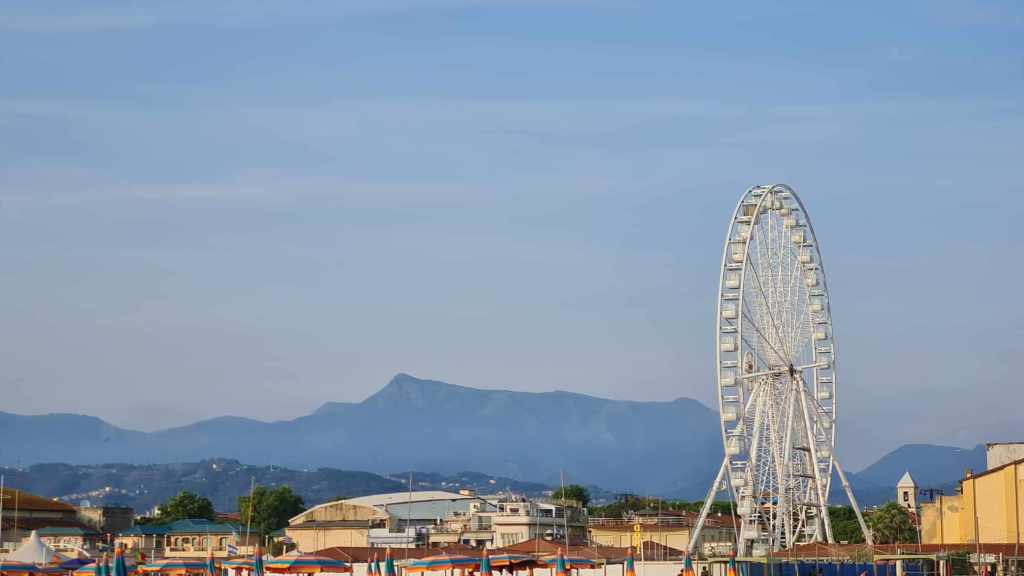
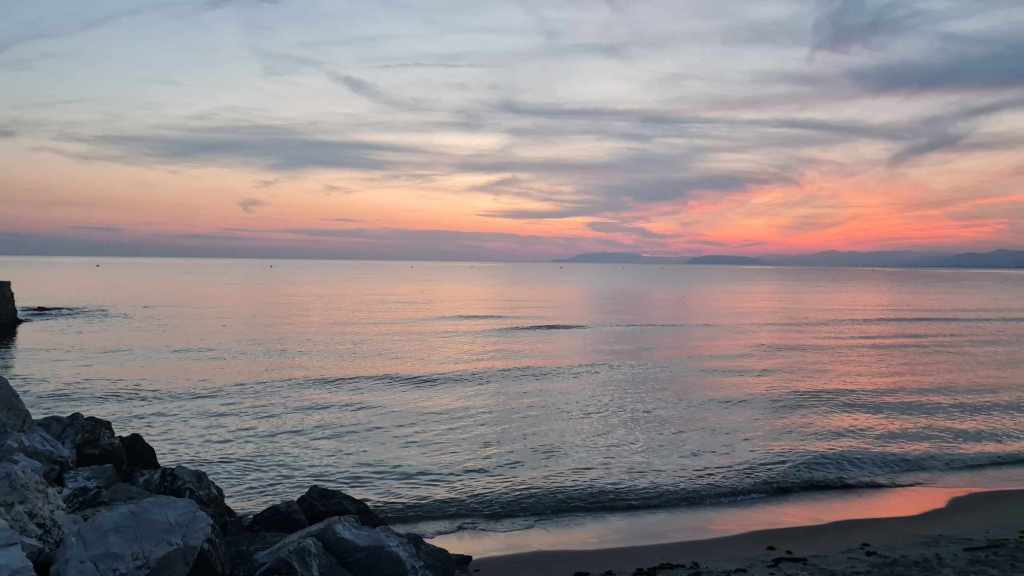
А бачиш і чуєш чайок, які стогнуть, як люди. Море, чисте й прозоре, на якому вітер, ніби час у житті людини, креативить зморшки як йому заманеться. Колесо огляду й порт із яхтами й різноманітними човнами, що припливають і відпливають. Особливі елементи архітектури й сміливі скульптурні композиції. І туристів, які нікуди не поспішають (а чого їм кудись поспішати, якщо вони вже тут?) І такий захід сонця, дивлячись на який до щему в душі хочеться зустріти його схід.
І банер фестивалю Puccini, який відбудеться тут із середини липня по кінець серпня, в розпал туристичного сезону. У В’яреджо жив і творив Джакомо Пуччіні, чиї твори тепер – головне надбання оперних театрів світу. А здобувати йому світову славу допомагала наша Соломія Крушельницька.
Кажуть, коли Пуччіні купив собі неподалік, поряд із морем, дім епохи етрусків, він недовго ним тішився, а, продавши його, почав будувати собі віллу у В’яреджо. Тут уже жила вона – відома оперна діва di Leopoli (зі Львова) Соломія, творчий тандем із якою приносив успіх і надихав.
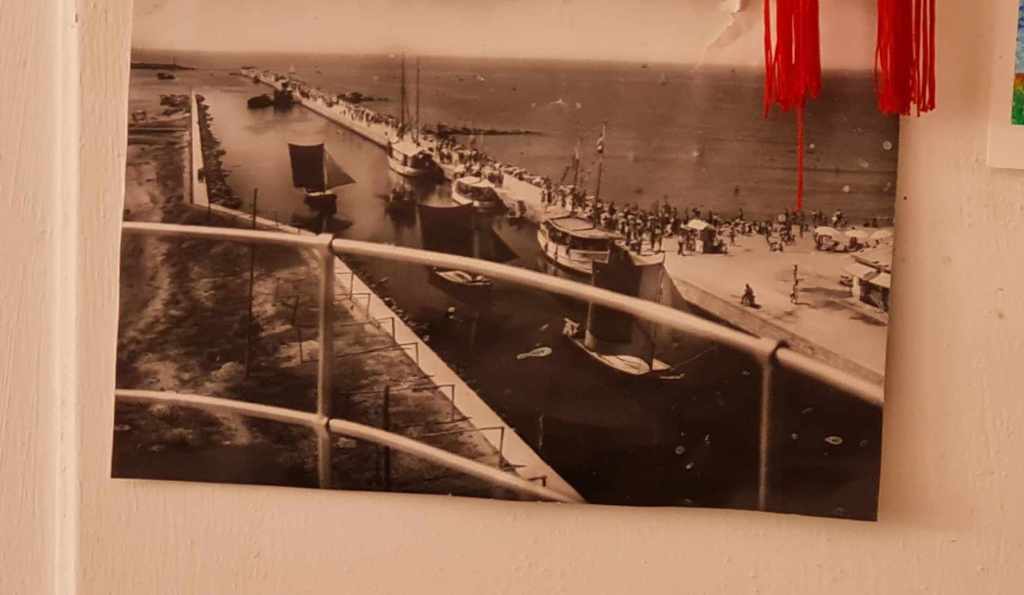
«Questo è il mio complimento per te» («Це мій комплімент для тебе»), – каже, подаючи розрізаний навпіл банан, розмальований сердечками із шоколадного крему, господар невеликої кав’ярні неподалік моря. Але мою увагу привертає старе фото на стіні. Фото порту В’яреджо початку минулого століття, куди міг причалювати відомий Пуччіні, який любив barche (човни) й автомобілі. Так само автомобілі любила й вона, Соломія.
Але порт їхніх часів відплив.
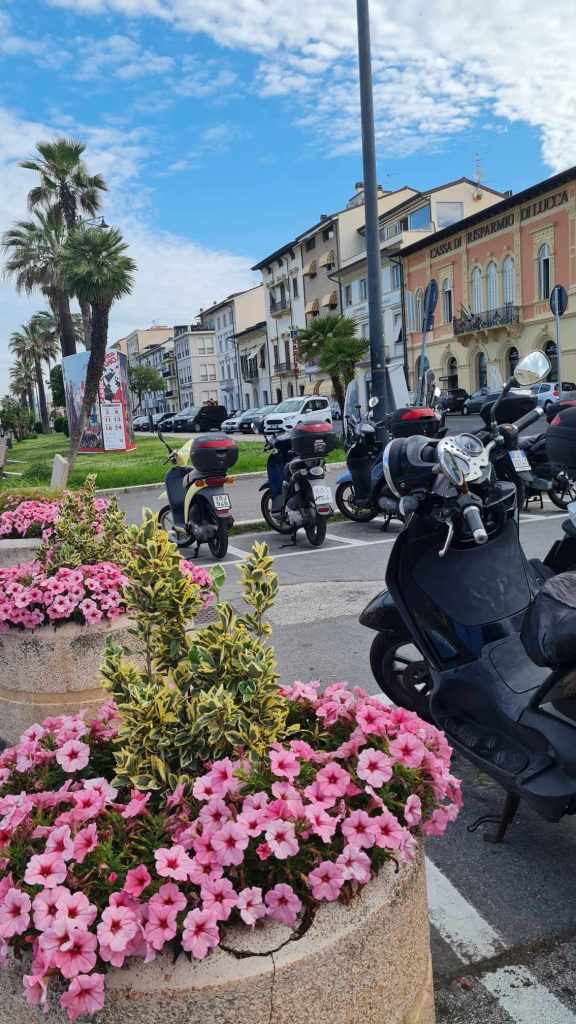
І тепер тут неподалік стоїть банер «Святкуй кожну свою історію». А повз нього проходить весела компанія дівчат із героїнею у білій фаті по центру. Я завтра їх знову зустріну у В’яреджо, але вже в іншому місці. Вони продовжуватимуть святкувати свій дівич-вечір. Іноді в житті людини очікування буває важливіше за саму подію. Я згадаю про це післязавтра, коли повертатимусь із садиби-музею Пуччіні.

Дія 1: сходами вгору
Соломія. Саломеа. Меа. Чарівна Баттерфляй. Це не повний перелік імен жінки-зірки з унікальним мецо-сопрано.
То хто ж вона така, Соломія Крушельницька, для італійців?
В італійській Вікіпедії про неї – величезна стаття, де й про те, що співати з нею вважали за честь Енріко Карузо, Тіта Руффо та інші відомі люди.

Італійці детально описують її творчі сходинки все вгору і вгору, аж поки вона різко не покотилася вниз, опинившись у колонізованій більшовицькою росією батьківщині.
З чого розпочався її італійський старт? Восени 1893 року Соломія їде до Мілана, і стає ученицею відомих метрів Фаусти Кріспі та професора Конті.
Далі був приголомшливий успіх дівчини з Тернопільщини 1895 року у Відні, та європейське турне у 1896 року з хвилями оплесків. Вона починає співати в операх Джакомо Пуччіні та інших відомих оперних композиторів. А її партнерами стають найвідоміші у світі виконавці, як от Енріко Карузо та Маттіа Баттістіні.
1902 року їй аплодує Париж за партію Ельзи в опері «Лоенгрін» Ріхарда Вагнера. Далі їй продовжують дарувати оплески в найпопулярніших європейських театрах, а репертуар, ніби морський берег хвилями, поповнюється новими ролями: «Трістана та Ізольди», «Валькірії», «Сутінків богів», «Мефістофеля», «Джоконди», «Луїзи ді Шарпентьє», «Пікової дами» тощо.
28 травня 1904 рік. Театро Гранде в Брешії, Ломбардія. Публіка не може зупинитися й продовжує протягом кількох годин аплодувати новій версії «Мадам Баттерфляй» Пуччіні. Але ж іще кілька місяців тому вона свистіла й вигукувала всілякі непристойності на адресу цієї опери в Ла Скала Мілана! Що трапилось? Бо Пуччіні тепер запросив на роль Чіо-Чіо-сан (Баттерфляй) замість Розіни Сторкіо Соломію Крушельницьку. І отримав приголомшливий успіх! Так із ним буде завжди. Вона – його талісман.
Ох ця загадкова Меа! Красуня, талант, велика трудівниця! Три місяці вона щоденно старанно готувалася до свого тріумфу, навіть носила вдома сценічний одяг, щоб ще більше вжитися в роль. Незабаром цей тріумф вона повторить в Театро Комунале в Болоньї під керівництвом відомого італійського диригента Артуро Тосканіні.
Donna Fatale
А ще від неї сходили з розуму чоловіки, часто в переносному, але іноді і в прямому сенсі.
Ось декілька відомих історій, які пережили століття.
Соломія в 1904 – 1905 роках дебютує в Римі з «Аїдою». І в неї з головою закохується Манфредо Манфредіні – відомий італійський художник, який ілюстрував «Божественну комедію» Данте, і був молодшим за неї на 9 років. Палка нерозділена любов доводить його до божевілля. Кілька років поспіль він їздить за нею слідом, не пропускаючи жодного виступу. І все закінчується трагічно у квітні 1907 року. Соломія має виступати в Ла Скала Мілана на світовій прем’єрі «Глорія» у постановці Артуро Тосканіні. Манфредо хоче пробратися до неї в номер, але його схоплять і знайдуть при ньому ніж, заряджений револьвер і пляшку купоросу. Поліція відправить його до психіатричної лікарні і за 40 днів у 25-річному віці він помре. Так і не завершивши ілюструвати твір Данте і зупинившись на розділі «Чистилище».
26 грудня 1906 року під керівництвом Артуро Тосканіні та Джузеппе Боргатті Соломія заспіває в Ла Скала в міланській прем’єрі «Саломеї» Ріхарда Штрауса. Тогочасні критики будуть вражені «Танцем семи покривал», який виконає Соломія, і до неї тепер прижиттєво приклеїться в Італії ім’я Саломеа. А Артуро Тосканіні – найвідоміший у світі диригент та музикант – відчує в душі оркестр почуттів, з яким вривається до людей справжнє кохання. Кілька десятиліть потому він зізнається другові, що Соломія була єдиною жінкою, в яку він був шалено закоханий, і яка сказала йому «ні».
Соломії присвятив свою «Поему раю» і відомий італійський поет Габріеле Д’Аннунціо.
«Nel silenzio incredibile i minuti
Pareano aprire smisurati abissi.
Oh se per sempre, sotto un improvviso
colpo, fossimo noi rimasti muti!
Lenta mi sollevo quelli occhi al viso», –
писав цей буремний поет, драматург та політик, думаючи про чарівну українку. Цілком можливо, що про неї могла думати і його ексцентрична коханка маркіза Касаті, яка прославилась тим, що носила на собі живих змій замість коштовностей.
Торре дель Лагго: дивовижне озеро і застібнутий на всі ґудзики Пуччіні
Ранок, 11.00. Збираюся їхати до Торре дель Лагго – містечка неподалік В’яреджо. Там жив Джакомо Пуччіні, і до нього часто навідувалась у гості Соломія Крушельницька.
У Тоскані дуже щедре сонце. На зупинці, означеній лише жовтою лінією на дорозі, добряче припікає. Зі мною в тінь пінії – італійської сосни-парасолі – ховається й старенька причепурена італійка. Думаю про те, що її бабуся, а то й мама цілком могли аплодувати співові нашої Соломії. І могли навіть просльозитись – італійці такі чутливі!
«Pomeriggio…» («Полудень»), – зітхаючи, каже сеньйора, якій не до високого мистецтва, і показує на годинник, на якому вже 11.30. А далі швидко й експресивно, як це вміють лише італійці, розповідає, що транспорт в Італії ходить вчасно лише до полудня, а далі – як вийде.
«Incidente sulla linea», – каже буденним голосом, схожим на звичайне «добрий день», водійка автобуса, під’їхавши, коли годинник показуватиме вже 12.15. Про інциденти на лініях я чутиму тепер постійно, коли чекатиму автобуси, трамваї чи потяги. Навіть запозичу для власного лексикону оце «інчиденте сулла лінія», коли розморений хтось не хоче вчасно робити щось.
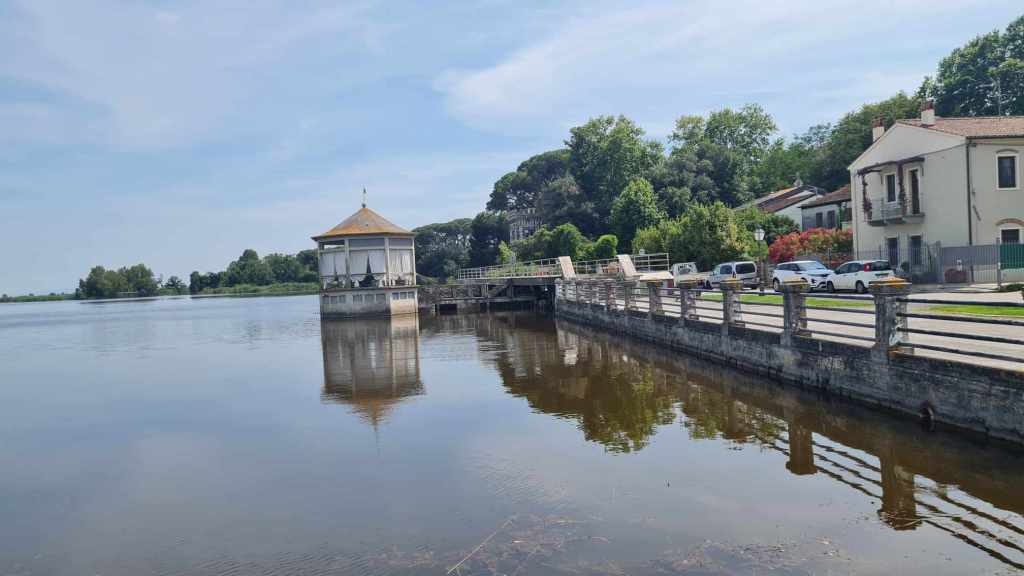
Тисячі відтінків блакитного. Ось про що думаєш, коли бачиш озеро Массачуколі в Торре дель Лагго, яке зливається з небом і з горами на протилежному боці. На березі понад озером звучать арії з опер Пуччіні – теж свого роду тисячі відтінків таланту, якому пощастило не канути в лету або ж в оце озеро, а піднятись вище гір.

У домі Пуччіні усе, як було колись. Квіти, зелені дерев’яні віконниці, меблі, одяг, речі, взуття, камін, опудала забитих на полюванні звірів, кімната для молитов, фото родини і близьких людей.
І її фото. Дві великі світлини Соломії на чільному місці. Одна з них – рідкісна, яку не знайдеш в інтернеті, і на якій вона молода й щаслива. І широкий підпис-посвята, де Крушельницька написано через С, адже К в італійській мові майже не вживають.
«Вони були дуже близькими друзями», – каже музейна співробітниця. Але портрет Соломії фотографувати не дозволяє: в цьому музеї такі правила.
«А ось наша відома Баттерфляй, яка принесла успіх Пуччіні», – чую, виходячи, як її презентують новій групі туристів. І я все розумію. Нашу Соломію вони вважають своєю.
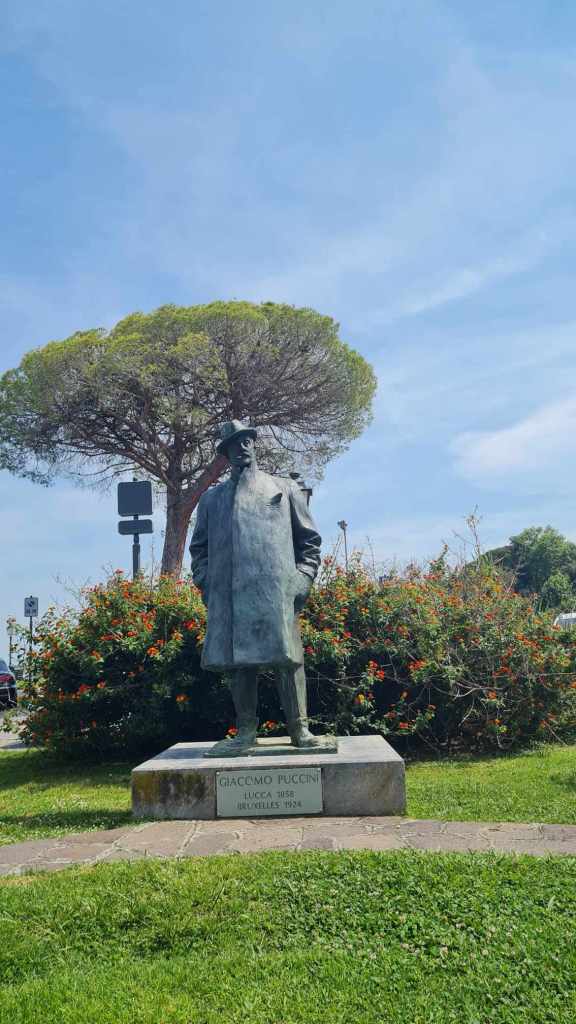
А неподалік, поміж віллою та небесних барв озером, стоїть пам’ятник Джакомо Пуччіні. Тут він застібнутий на всі ґудзики: ніби не готовий ось так просто взяти й викласти всі свої історії. Щоправда, деякі з них просочилися й пережили століття, і в них він, так само, як і Соломія, був фатальним для декого чоловіком. Але то вже суто його історії.
За віллою – зруйновані стіни і сцена колишнього літнього театру. Можливо, якраз тут і співала колись Соломія для друзів, які любили з’їжджатись у це особливе й дивовижне місце.
Пуччіні любив її спів. Можливо, любив і її. Любив море й озеро. Любив човни. Мав дві найулюбленіші барки. Але в життя, як відомо, лише один човен, і в інший, як би цього не хотів, ніколи не застрибнеш.
Дія 2: одна щаслива історія на двох
Вони одружились, коли їй було вже 38, а йому 42. Вона в зеніті зіркової слави, а він – двічі мер В’яреджо (1900 – 1902, 1910 – 1912), а ще – відомий юрист та аристократ.
Весілля з Чезаре Річчоні Соломія святкуватиме в Буенос-Айресі липневими днями 1907 року.
І з 1910 року, аж по свій роковий від’їзд до України, житиме на віллі у В’яреджо за адресою: Viale Carducci, 25. І буде щаслива. Її успіх у цей період буде найгучнішим.

«Гарна жінка, культурна, витончена, високо інформована (знала чотири мови)», – пише про неї італійська Вікіпедія.
На їхній віллі збиратимуться відомі люди Тоскани. А її творча біографія поповниться новим напрямом – сольною кар’єрою.
Вона даватиме концерти в різних країнах, виконуючи широкий репертуар, включно з великою кількістю українських народних пісень під власне акомпанування на фортепіано. Величезним успіхом супроводжувались її гастролі в 1928 році в США і Канаді та концерт наступного року в Римі.
Соломія влаштовуватиме багато благодійних концертів на користь сиріт першої світової війни, відкриє вищу школу оперного співу. Чезаре розумітиме її і в усьому буде підтримувати.
Але 1936 року чоловіка не стане. Вона пожертвує місту його велику особисту бібліотеку з надією, що її назвуть його іменем.
Європою й Італією ширитиметься коричнева чума. Самотність, невпевненість і любов до рідних та до батьківщини покличуть її в дорогу до України.
Й одного дня вона відчалить від берега В’яреджо, озираючись на пальми, пінії, і на своє колишнє щасливе життя. А на нього було варто озирнутись.
Тоді вона навіть не здогадувалась про ті жахливі випробування, які чекають на неї попереду.


Дія 3: Incidente sulla linea. Фінал
А попереду на неї чекатимуть події, де ніби всі злі персонажі з творів, в яких вона виконувала свої ролі, зберуться докупи в одному місці, щоб зіпсувати їй наостанок життя. Щоб показати, що значить essere misero (бути вбогим). І це вже буде справжнє Incidente sulla linea.
Комуністи відберуть власність Соломії в Україні та приберуть до своїх бридких рук розкішну віллу в Італії. Не даватимуть роботи. Знущатимуться. Її, зірку світової величини, звільнятимуть з консерваторії за нібито відсутність диплому. Вона втратить здоров’я. Її ніколи не випустять із концтабору під назвою радянський союз. Вона помре бідна, немічна і старенька 15 листопада 1952 року у Львові.
Але залишить по собі десятки записів оперних арій та популярних українських пісень. І свій унікальний італійський архів, який зберігається тепер, як пише італійська преса, в Centro Documentario Storico.
У В’яреджо на фасаді будинку, де вона жила, тепер меморіальна дошка, і на честь Соломії назвали вулицю біля причалу.
«Її творча кар’єра була однією з найважливіших і значущих серед великих виконавців між кінцем 19-го і першою половиною 20-го століття», – написала недавно про неї італійська газета La Nazione.
«Solo mia» в перекладі з італійської: «моя єдина». Соломія була єдиною і для України, і для Італії. А для неї єдиною завжди була сцена.

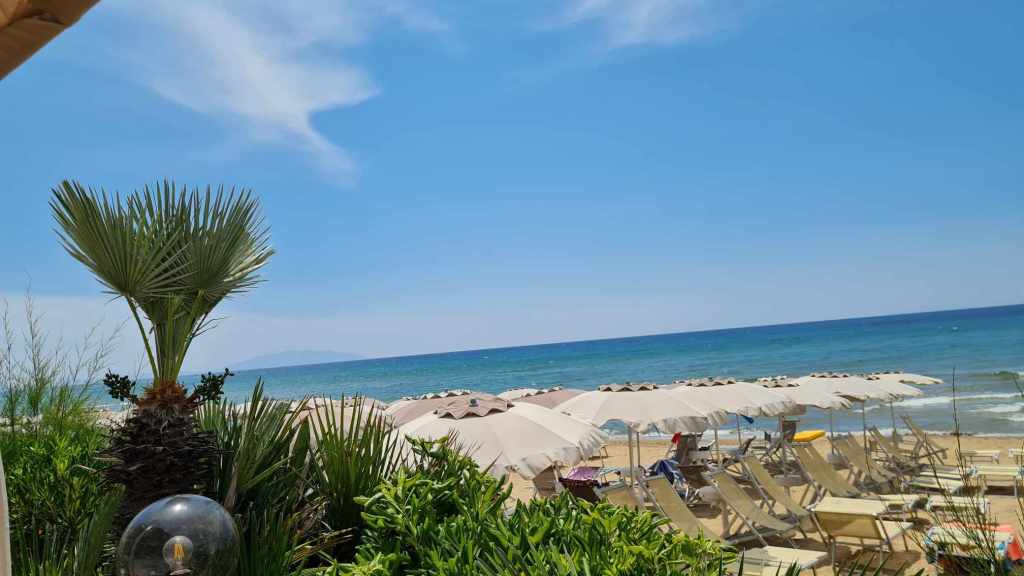
Захід сонця малює на Лігурійському морі золотисті яскраві сліди.
Вони схожі на сліди Соломії у цій далекій і чарівливій Тоскані.
Автор Тамара Куцай
Замовити горнятко запашної кави, яке допоможе осмислити цю яскраву історію, можна за оцим посиланням:
Article in English:
Solomiya Solo mia
The Italian Trace of the Renowned Solomiya Krushelnytska
The bus carries me along winding mountain roads to Tuscany. From time to time, as the green curtains of forests part, colorful viaducts appear – bridges across mountain gorges. And this feels somewhat symbolic, because my plan is to find just such a bridge, laid between the Ukrainian and Italian shores in the life of the incomparable Solomiya Krushelnytska.
Next to me, a young Italian on the bus seat scrolls through his messenger filled only with women’s names, each marked with a heart. He writes to them one after another, using the same phrases yet with astonishing enthusiasm. A typical scene for Italy – the country of love, romance, happy and sometimes broken hearts.
Viareggio
Viareggio is a small yet well-known resort town on the coast of the Ligurian Sea. For 150 years now, it has hosted annual carnivals. A true pearl of Tuscany, and of Italy as a whole. On the map of the country, it is located on the front part of the Italian “boot,” right around the knee.
The history of Tuscany, of which Viareggio is a gem, is as deep as the sea. Diving into its depths, one most often recalls the Etruscans, from whom the very name “Tuscany” originates. The origin of the Etruscans still remains a mystery for historians. And the Etruscan language, now lost, gave the world such international words as “persona,” “ceremony,” “antenna,” “arena,” “element,” “letter,” and quite possibly “scene.”
When you arrive in Viareggio, you get the feeling: there is something more here than what you can see.
And you see and hear the seagulls, moaning like humans. The sea, pure and transparent, on which the wind—like time in a human life—creates wrinkles however it pleases. A Ferris wheel and a port with yachts and various boats arriving and departing. Distinctive elements of architecture and bold sculptural compositions. And tourists who are in no hurry (why should they rush anywhere, if they are already here?). And such a sunset, that while watching it, your heart longs to stay and meet its sunrise.
And the banner of the Puccini Festival, which takes place here from mid-July to the end of August, right in the height of the tourist season. Giacomo Puccini lived and created in Viareggio, and today his works are the crown jewels of opera houses worldwide. And it was our Solomiya Krushelnytska who helped him gain global fame.
They say that when Puccini bought himself a house from the Etruscan era near the sea, he didn’t enjoy it for long. After selling it, he began building a villa in Viareggio. Here already lived the famous opera diva di Leopoli (from Lviv), Solomiya, whose creative tandem with him brought success and inspiration.
“Questo è il mio complimento per te” (“This is my compliment for you”), says the owner of a small café near the sea, handing me a banana cut in half, decorated with little hearts of chocolate cream. But my attention is caught by an old photo on the wall. A photo of the port of Viareggio from the early 20th century, where the famous Puccini, who loved barche (boats) and cars, might have docked.
She, Solomiya, loved cars too.
But the port of their time has sailed away.
Програма ChatGPT сказала:
And now, nearby, there stands a banner reading: “Celebrate every one of your stories.”
A cheerful group of girls passes by, with the heroine in a white veil at the center. Tomorrow I will meet them again in Viareggio, but this time in a different place. They will still be celebrating their bachelorette party.
Sometimes, in a person’s life, expectation is more important than the event itself. I will remember this the day after tomorrow, as I return from the Puccini museum villa.
Act 1: Up the Stairs
Solomiya. Salomea. Mea. The enchanting Butterfly. This is not the full list of names of the woman-star with the unique mezzo-soprano voice.
So who is she, Solomiya Krushelnytska, for the Italians?
In the Italian Wikipedia, there is a huge article about her, mentioning even that singing alongside her was considered an honor by Enrico Caruso, Tito Ruffo, and other famous figures.
Italians describe her artistic ascent in great detail, step by step, upward and upward—until she suddenly tumbled down, ending up in her homeland, colonized by Bolshevik Russia.
How did her Italian career begin? In the autumn of 1893, Solomiya traveled to Milan and became a student of the renowned maestros Fausta Crespi and Professor Conti.
Next came the astounding success of the girl from the Ternopil region in 1895 in Vienna, followed by a European tour in 1896 met with waves of applause. She began singing in operas by Giacomo Puccini and other famous composers. Her partners included the world’s most celebrated performers, such as Enrico Caruso and Mattia Battistini.
In 1902, Paris applauded her for the role of Elsa in Wagner’s Lohengrin. She continued to receive ovations in the most popular European theaters, and her repertoire, like the waves along a seashore, expanded with new roles: Tristan and Isolde, The Valkyrie, Twilight of the Gods, Mephistopheles, La Gioconda, Louise de Charpentier, The Queen of Spades, and more.
May 28, 1904. Teatro Grande in Brescia, Lombardy. The audience could not stop applauding the new version of Puccini’s Madame Butterfly for several hours. Just a few months earlier, at La Scala in Milan, they had whistled and shouted various insults at this opera! What had happened? Puccini had now cast Solomiya Krushelnytska as Cio-Cio-San (Butterfly) instead of Rosina Storchio—and achieved an overwhelming success! From then on, she would always be his talisman.
Oh, that mysterious Mea! Beautiful, talented, a tireless worker! For three months, she diligently prepared daily for her triumph, even wearing her stage costume at home to immerse herself fully in the role. Soon, she would repeat this triumph at Teatro Comunale in Bologna under the direction of the famous Italian conductor Arturo Toscanini.
Donna Fatale
And men went crazy for her, often figuratively, but sometimes literally.
Here are a few famous stories that have survived the centuries.
In 1904–1905, Solomiya debuted in Rome with Aida. And Manfredo Manfredini—an Italian painter who illustrated Dante’s Divine Comedy and was nine years her junior—fell completely in love with her. His passionate, unrequited love drove him to madness. For several years he followed her everywhere, never missing a single performance. It all ended tragically in April 1907. Solomiya was set to perform at La Scala in Milan for the world premiere of Gloria under Arturo Toscanini. Manfredo tried to sneak into her room, but he was caught with a knife, a loaded revolver, and a bottle of vitriol. The police sent him to a psychiatric hospital, and he died 40 days later at the age of 25, never completing his illustrations of Dante’s work, stopping at the Purgatorio section.
On December 26, 1906, under the direction of Arturo Toscanini and Giuseppe Borgatti, Solomiya sang at La Scala in the Milan premiere of Richard Strauss’s Salome. Critics at the time were amazed by her performance of the Dance of the Seven Veils, and from that moment, the name Salomea became associated with her in Italy for life. Arturo Toscanini—the world’s most famous conductor and musician—felt in his soul the orchestra of emotions, as true love burst into people’s hearts. Several decades later, he confessed to a friend that Solomiya was the only woman he had been madly in love with, and she had said “no” to him.
Solomiya was also the inspiration for the Italian poet Gabriele D’Annunzio’s Poema del Paradiso.
“Nel silenzio incredibile i minuti
Pareano aprire smisurati abissi.
Oh se per sempre, sotto un improvviso
colpo, fossimo noi rimasti muti!
Lenta mi sollevo quelli occhi al viso,”
— wrote this tempestuous poet, playwright, and politician, thinking of the enchanting Ukrainian woman. It is quite possible that even his eccentric lover, the Marchesa Casati—famous for wearing live snakes instead of jewels—might have thought of her as well.
Torre del Lago: the amazing lake and Puccini buttoned up to the top
Morning, 11:00. I’m about to travel to Torre del Lago, a small town near Viareggio. Giacomo Puccini lived there, and Solomiya Krushelnytska often visited him.
In Tuscany, the sun is very generous. At the bus stop, marked only by a yellow line on the road, it’s scorching. With me in the shade of a pine tree – the Italian umbrella pine – hides an elderly, neatly dressed Italian lady. I think that her grandmother, or even her mother, could very well have applauded the singing of our Solomiya. They might even have shed a tear – Italians are so sensitive!
“Pomeriggio…” (“Afternoon”), – sighs the signora, not really interested in high art, pointing at her watch, which shows 11:30. Then, quickly and expressively, as only Italians can, she explains that public transport in Italy runs on time only until noon, after which it’s hit or miss.
“Incidente sulla linea,” – says the bus driver in a casual voice, like a simple “good day,” arriving when the clock shows 12:15. From now on, I will constantly hear about incidents on the lines when waiting for buses, trams, or trains. I might even borrow this phrase, “incidente sulla linea,” for my own vocabulary whenever someone lazily refuses to do something on time.
Thousands of shades of blue. That’s what you think about when you see Lake Massaciuccoli in Torre del Lago, blending with the sky and the mountains on the far side. On the shore above the lake, arias from Puccini’s operas sound – also a kind of thousands of shades of talent, lucky enough not to sink into oblivion or into the lake itself, but to rise above the mountains.
In Puccini’s house, everything is just as it once was: flowers, green wooden shutters, furniture, clothing, belongings, shoes, a fireplace, stuffed game from hunting, a prayer room, photos of family and close friends.
And her photo. Two large portraits of Solomiya take pride of place. One of them is rare, not found on the internet, showing her young and happy. There’s also a wide dedication caption, where her name is written “Krushelnytska” with an S, since the letter K is hardly used in Italian.
“They were very close friends,” says a museum employee. But photographing Solomiya’s portrait is not allowed—this is the museum’s rule.
“And here’s our famous Butterfly, who brought Puccini his success,” I hear as I leave, listening to how she’s presented to a new group of tourists. And I understand completely. They consider our Solomiya as one of their own.
Nearby, between the villa and the sky-colored lake, stands a monument to Giacomo Puccini. Here he is buttoned up to the top: as if not quite ready to simply reveal all his stories. Of course, some of them have seeped out and survived the centuries, in which he, like Solomiya, was a fatal man to some. But those are purely his stories.
Behind the villa are the ruined walls and the stage of the former summer theater. Perhaps it was right here that Solomiya once sang for friends who loved to gather in this special and marvelous place.
Puccini loved her singing. Perhaps he loved her as well. He loved the sea and the lake. He loved boats. He had two favorite boats. But in life, as is well known, there is only one boat, and no matter how much you wish, you can never jump into the other.
Act 2: One Happy Story for Two
They got married when she was already 38 and he was 42. She was at the zenith of her stardom, and he was a two-time mayor of Viareggio (1900–1902, 1910–1912), as well as a well-known lawyer and aristocrat.
Solomiya celebrated her wedding with Cesare Riccioni in Buenos Aires during the July days of 1907.
From 1910, until her eventual departure to Ukraine, she lived in the villa in Viareggio at Viale Carducci, 25. And she was happy. Her success during this period was the loudest and most resounding.
“She was a beautiful woman, cultured, refined, highly knowledgeable (she knew four languages),” writes the Italian Wikipedia about her.
Famous people from Tuscany would gather at their villa, and her artistic biography would expand in a new direction – a solo career.
She would give concerts in various countries, performing a wide repertoire, including a large number of Ukrainian folk songs accompanied by her own piano playing. Her 1928 tours in the USA and Canada were met with enormous success, as was her concert the following year in Rome.
Solomiya would organize many charity concerts for orphans of World War I and would open a higher school of opera singing. Cesare understood her and supported her in everything.
But in 1936, her husband passed away. She donated his large personal library to the city, hoping it would bear his name.
A brown plague spread across Europe and Italy. Loneliness, uncertainty, and love for her family and homeland would call her back to Ukraine.
One day, she would set sail from the shore of Viareggio, looking back at the palms, the pine trees, and her former happy life. And it was worth looking back on.
At that moment, she could not even imagine the terrible trials that awaited her ahead.
Act 3: Incidente sulla linea. Finale
Ahead of her awaited events where it seemed as if all the evil characters from the works in which she performed would gather in one place to ruin her life at the last moment. To show what it means to essere misero (to be wretched). And this would truly be an Incidente sulla linea.
The communists would seize Solomiya’s property in Ukraine and claim her luxurious villa in Italy for their filthy hands. They would deny her work. They would mock her. She, a star of global stature, would be dismissed from the conservatory allegedly due to a missing diploma. She would lose her health. She would never be released from the concentration camp called the Soviet Union. She would die poor, frail, and elderly on November 15, 1952, in Lviv.
Yet she would leave behind dozens of recordings of opera arias and popular Ukrainian songs. And her unique Italian archive, which, as the Italian press writes, is now preserved at the Centro Documentario Storico.
In Viareggio, a memorial plaque now adorns the façade of the house where she lived, and a street near the pier was named in her honor.
“Her artistic career was one of the most important and significant among great performers between the end of the 19th and the first half of the 20th century,” – recently wrote the Italian newspaper La Nazione.
“Solo mia” in Italian means “my only one.” Solomiya was the only one for both Ukraine and Italy. And for her, the stage was always the only one.
The sunset paints golden, bright traces on the Ligurian Sea.
They resemble Solomiya’s traces in this distant and enchanting Tuscany.
Author: Tamara Kutsai
You can order a cup of aromatic coffee, which will help you reflect on this vivid story, at this link:

Хочете підтримати нас?
Кожен ваш донат допоможе ще активніше розвивати наш некомерційний проєкт, який активно працює вже більше 3 років.
Справжні історії – просвітницький проєкт, який на волонтерських засадах розповідає цікаві історії про Україну, відомих українців, подорожі, традиції, звичаї, кухню, а також захопливі історії про мандрівки світом та відомих особистостей у світі.
У наших планах – створення також англомовної версії сайту, щоб світ більше дізнався про Україну та українців.
Наші рахунки:
Картка у грн.: 5363 5421 0596 6718
Підтримати проєкт
Want to support us?
Each of your donations will help our non-commercial project, which has been producing stories for you for already three years, to become even better.
True Stories is an educational project that, on a volunteer basis, tells interesting stories about Ukraine, famous Ukrainians and other inspiring people, travels, traditions, customs, and cuisine.
Our plans include the creation of an English-language version of the site so that the world can learn more about Ukraine and Ukrainians.
Support the project
Підтримати проєкт
1,00 $
 Справжні історії